
Guide · Red Centre ·
Best Time to Visit Uluru: When to Go, Month by Month
This publication shares ownership with PeptaraLabs, Lab Ranked Agency, and Dental Link.
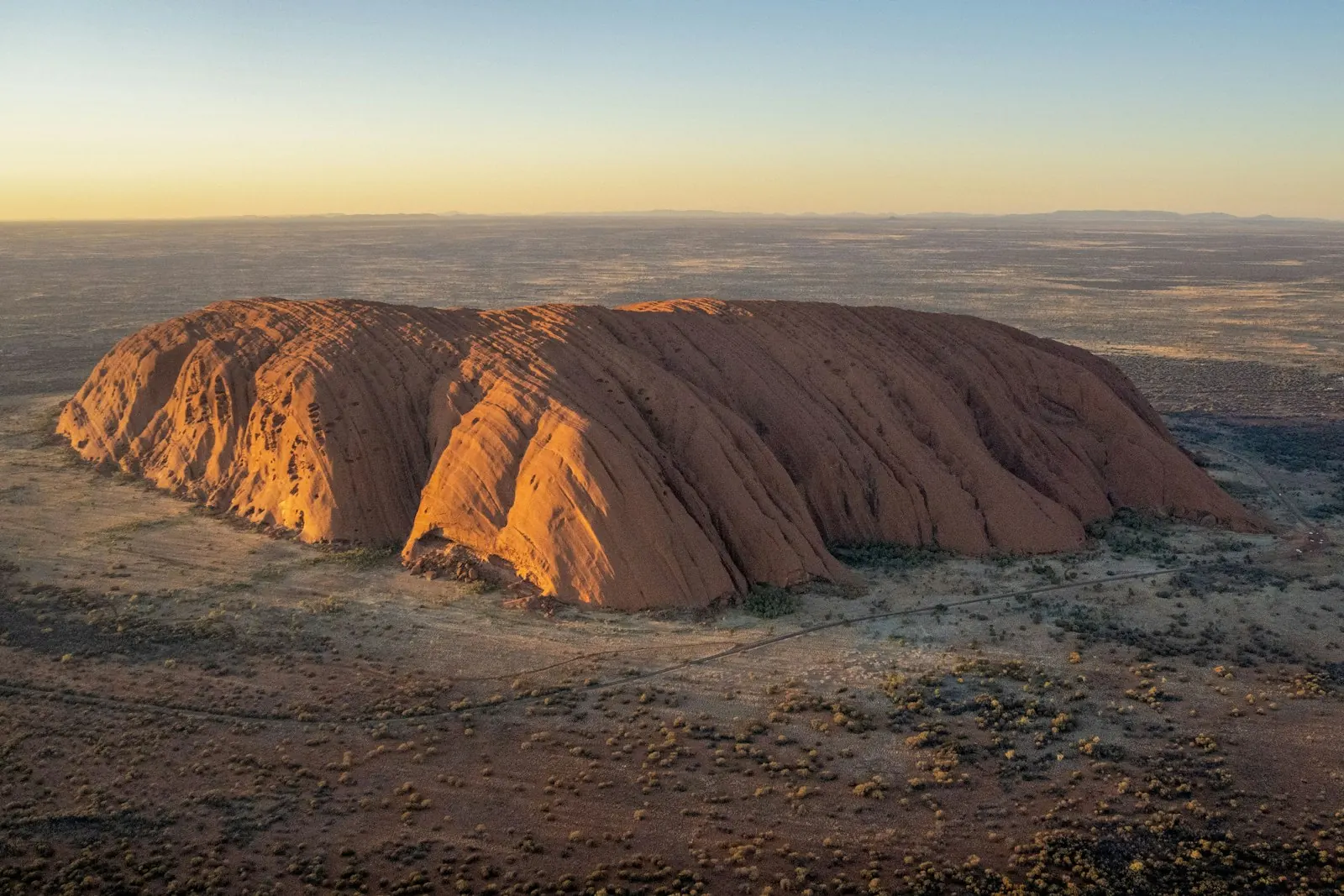
Best time to visit Uluru? May to September, when the daytime maximum is usually between 20°C and 30°C and there is very little rain. Parks Australia says the cooler weather makes walking safer and more pleasant. From October to March, days often pass 35°C, so a summer trip needs early starts and careful planning.
This guide gives you the month by month picture in one place: average heat and rain, park opening hours, and the five seasons that Anangu, the park's Traditional Owners, recognise. It also covers summer heat rules and what each season is good for.
Sources for this section: Parks Australia, Uluru-Kata Tjuta National Park, When to come; Parks Australia, Seasons.
The short answer by season
| Season | Months | What to expect |
|---|---|---|
| Autumn | March to May | Heat easing; average maximum falls from 34.5°C in March to 24.3°C in May |
| Winter | June to August | Mild days near 20°C to 24°C, cold nights near 4°C to 6°C, frost on some mornings |
| Spring | September to November | Warming fast; wildflowers in August and September; 35°C again by November |
| Summer | December to February | Average maximum 36.5°C to 38.4°C, storms, flies, and the chance of waterfalls on the rock |
The figures are long-term averages for Yulara, the resort town next to the park, from the Bureau of Meteorology as published by Parks Australia.
Sources for this section: Parks Australia, When to come (Average temperatures and rainfall at Yulara, Bureau of Meteorology data).
Month by month planner
This table puts three official sources side by side: the weather averages, the park's gate hours, and the Anangu season that usually falls in that month. We have not seen these combined in one place elsewhere.
| Month | Avg max | Avg min | Avg rain | Park open | Anangu season (usual timing) |
|---|---|---|---|---|---|
| January | 38.4°C | 22.8°C | 28.8 mm | 5.00 am to 9.00 pm | Itjanu/inuntji |
| February | 37.0°C | 22.1°C | 38.4 mm | 5.00 am to 9.00 pm | Itjanu/inuntji |
| March | 34.5°C | 19.3°C | 32.6 mm | 5.30 am to 8.30 pm | Itjanu/inuntji |
| April | 29.9°C | 14.5°C | 15.7 mm | 5.30 am to 8.00 pm | Wanitjunkupai |
| May | 24.3°C | 9.3°C | 14.3 mm | 6.00 am to 7.30 pm | Wanitjunkupai, then Wari |
| June | 20.4°C | 5.6°C | 18.2 mm | 6.30 am to 7.30 pm | Wari |
| July | 20.6°C | 4.4°C | 17.6 mm | 6.30 am to 7.30 pm | Wari |
| August | 23.7°C | 5.9°C | 5.0 mm | 6.00 am to 7.30 pm | Piriyakutu/piriya piriya |
| September | 28.7°C | 10.7°C | 9.0 mm | 5.30 am to 7.30 pm | Piriyakutu/piriya piriya |
| October | 32.3°C | 14.9°C | 21.1 mm | 5.00 am to 8.00 pm | Piriyakutu, then Mai wiyaringkupai/kuli |
| November | 35.1°C | 18.4°C | 33.1 mm | 5.00 am to 8.30 pm | Mai wiyaringkupai/kuli |
| December | 36.5°C | 20.8°C | 45.5 mm | 5.00 am to 9.00 pm | Mai wiyaringkupai/kuli |
July is the coldest month on average and January the hottest. August is the driest, with 5.0 mm of rain on average, and December the wettest. The park is open every day of the year but closes at night, and everyone must leave by closing time.
Sources for this section: Parks Australia, When to come; Parks Australia, Opening hours; Parks Australia, Seasons.
The five Anangu seasons
Anangu describe the year by weather and food, not by fixed dates. Parks Australia shares the five seasons, each with its usual timing:
- Itjanu/inuntji (usually January to March): overcast clouds bring rain, and food plants flower. Good rains mean plenty of fruit and seed.
- Wanitjunkupai (usually April to May): the cold weather begins, and reptiles go into brumation, a slowed-down winter state.
- Wari (usually late May to July): the cold time, with frost and dew on some mornings and very little rain.
- Piriyakutu/piriya piriya (usually August to October): a warm, steady wind from the north and west. Animals breed and plants flower and fruit.
- Mai wiyaringkupai/kuli (usually late October to December): the hottest season. Storm clouds bring lightning but little rain, and lightning can start fires.
Visiting in a named season is a simple way to learn what the land is doing while you are there. The Cultural Centre, open 7.00 am to 5.45 pm daily, is the place to start.
Sources for this section: Parks Australia, Seasons; Parks Australia, Opening hours.
Winter: May to August
Winter is the busiest time of year. Days are mild, there is very little rain, and long walks such as the base walk and Kata Tjuta's tracks are easier in the cool. The trade-off is cold nights. Average minimums in June and July sit at 5.6°C and 4.4°C, and Parks Australia warns that overnight temperatures can be very cold, so pack warm layers for sunrise.
GetYourGuide describes May to September as peak season and suggests booking popular tours ahead. Parks Australia notes that Yulara has only a limited number of rental cars and suggests booking a few weeks ahead.
Sources for this section: Parks Australia, When to come; Parks Australia, Getting here; GetYourGuide, Tips on visiting Uluru.
Spring: September and October for wildflowers
Parks Australia says August and September are usually the best months to see wildflowers in bloom. September keeps an average maximum of 28.7°C, so it is still inside the comfortable window. By October the average maximum is 32.3°C and climbing.
Sources for this section: Parks Australia, When to come.
Summer: October to March, heat and storms
From October to March daytime temperatures regularly pass 35°C. Summer is also the stormy season. Parks Australia points out that the same storms fill the waterholes and can start waterfalls flowing down Uluru, which few visitors get to see.
Summer rules to follow:
- Drink plenty of water.
- Do not walk after 11.00 am, which is Parks Australia's own summer advice.
- On days when the forecast or actual temperature reaches 36°C or more, the Valley of the Winds walk at Kata Tjuta closes at the first lookout (Karu) from 11 am.
- Expect large numbers of flies. A head net helps, and you can buy one when you arrive.
The park opens at 5.00 am from October to February, so a sunrise start gives you the coolest hours.
Sources for this section: Parks Australia, When to come; Parks Australia, Valley of the Winds walk; Parks Australia, Opening hours.
Things that stay the same all year
- You need a park pass. An adult pass is A$38 for 3 days or A$50 for a year. Under 18s enter free. You can buy online and scan the QR code at the entry station, or buy at the gate.
- The climb is closed. The Uluru climb closed permanently from 26 October 2019, and Parks Australia says climbing is a breach of the EPBC Act with penalties.
- Some places are not for photos. Parks Australia asks visitors not to photograph or film Kata Tjuta's rock formations on the Valley of the Winds walk, a culturally sensitive men's area.
Sources for this section: Parks Australia, Park passes; Parks Australia, Uluru climb closure; Parks Australia, Valley of the Winds walk.
Getting there
Yulara has its own airport, Ayers Rock (code AYQ), with direct flights from Sydney, Melbourne, Brisbane and Cairns. Parks Australia lists the flight from Sydney at about 3 hours. By road, Uluru is 465 km from Alice Springs, about 5.5 hours of driving.
Many people pair Uluru with a longer Red Centre trip. If you plan to walk in the West MacDonnell Ranges as well, read our Larapinta Trail guide, which uses the same cool-season window. If you are heading north to the Top End, our wet season Darwin guide explains why the best months there are different. For stays in the region, see the editors' outback retreats and rail journeys categories, or browse all guides.
If you are choosing a tour or a place to stay near the park, our methodology page sets out the five things our editors read for when they look at an operator. Park hours and pass prices are set by Parks Australia; for anything on this page that has changed, the desk's details are on our contact page.
Sources for this section: Parks Australia, Getting here.
Frequently asked questions
What is the best month to visit Uluru?
The best months to visit Uluru are May to September. June and July are the coolest, with average maximums near 20°C, while August and September add wildflowers and still stay under 30°C on average.
How hot does Uluru get in summer?
Uluru is hottest in January, with an average maximum of 38.4°C at Yulara. From October to March daytime temperatures regularly pass 35°C.
Is it worth visiting Uluru in summer?
Yes, if you plan around the heat. Summer brings storms that can send waterfalls down the rock, but you should walk early, carry water and stop walking by 11.00 am.
How cold is Uluru at night in winter?
Uluru is cold at night in winter. The average minimum at Yulara is 5.6°C in June and 4.4°C in July, and frost forms on some mornings.
Can you still climb Uluru?
No. The Uluru climb closed permanently from 26 October 2019, and Parks Australia says penalties apply to anyone who tries to climb.
How long does an Uluru park pass last?
A standard adult Uluru park pass lasts 3 days and costs A$38. An annual pass costs A$50, and visitors under 18 enter free.
Sources for this section: Parks Australia, When to come, Uluru climb closure and Park passes.
Sources
- Parks Australia, Uluru-Kata Tjuta National Park, When to come: parksaustralia.gov.au
- Parks Australia, Uluru-Kata Tjuta National Park, Seasons: parksaustralia.gov.au
- Parks Australia, Uluru-Kata Tjuta National Park, Opening hours: uluru.gov.au
- Parks Australia, Valley of the Winds walk: uluru.gov.au
- Parks Australia, Park passes: parksaustralia.gov.au
- Parks Australia, Uluru climb closure: parksaustralia.gov.au
- Parks Australia, Getting here: parksaustralia.gov.au
- GetYourGuide, Tips on visiting Uluru: www.getyourguide.com
- Tourism Australia, Guide to Uluru and Kata Tjuta: www.australia.com