
Guide · Red Centre ·
Uluru climb closing: what visitors need to know now
This publication shares ownership with PeptaraLabs, Lab Ranked Agency, and Dental Link.
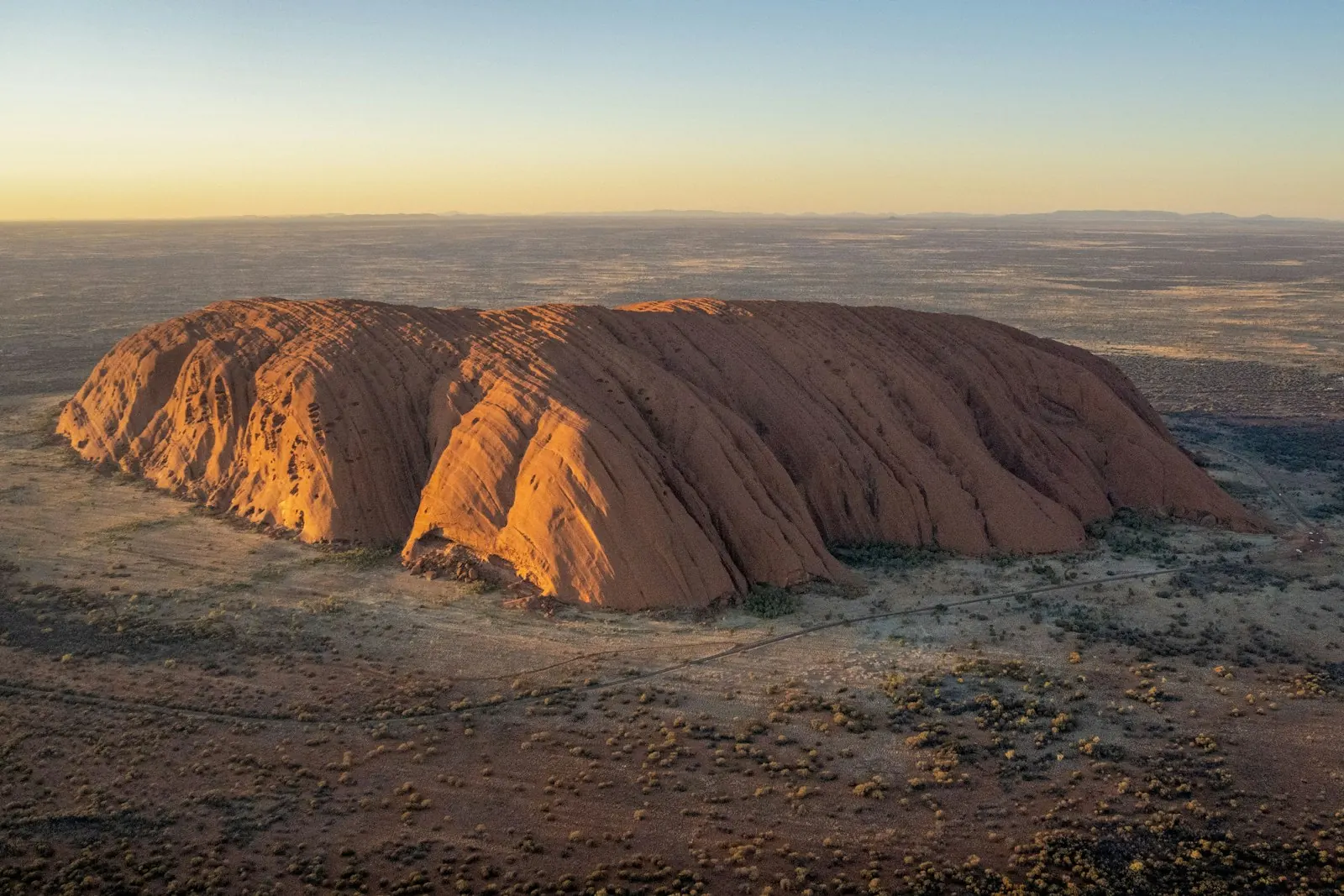
Uluru climb closing is set for 26 October 2019, about five months from now. The Uluru-Kata Tjuta National Park Board of Management made the decision in November 2017, and it has not changed. Until that day you may still climb if you choose and conditions are safe. After it, the climb to the top will be shut for good.
This guide explains who decided, why, and what you can do at Uluru in the meantime. It also covers what to plan if you want to visit before the date.
Sources for this section: Parks Australia, Uluru climb to close in 2019 (1 November 2017).
Who decided, and when
The park board voted on 1 November 2017. The ABC reported that the vote was unanimous. The board has eight Traditional Owners and three members from Parks Australia, so Anangu hold the majority.
Parks Australia says the board chose 26 October 2019 for a reason. That is the day in 1985 when the park was handed back to its Traditional Owners. The board's chair, Sammy Wilson, said Uluru is "not a playground or theme park like Disneyland."
The board had promised the tourism industry at least 18 months of notice. The two years it gave is longer than that, so tour companies and visitors have time to adjust their plans.
Sources for this section: Parks Australia, Uluru climb to close in 2019; ABC News, Uluru climbs banned from October 2019 after unanimous board decision (1 November 2017).
Why the climb is closing
Anangu have asked visitors not to climb since the 1985 handback. The ABC reports that signs asking people to reconsider have stood at the base of the climb since 1992. The route starts in a sacred men's area, and the whole rock is sacred.
The 2010 management plan set three conditions for closing the climb. Any one of them was enough:
- New visitor experiences are well established.
- Fewer than 20 per cent of visitors climb.
- The park's cultural and natural experiences are the main reasons people visit.
The board said all three have now been met. The numbers back that up. According to Mr Wilson, 16.2 per cent of visitors climbed in the 2015 figures. That was 38 per cent in 2010, and 74 per cent in the 1990s.
Safety is part of the story too. The board said the climb has claimed 36 lives since record-keeping began in the 1950s. The last recorded death was in 2010.
Sources for this section: Parks Australia, Uluru climb to close in 2019; ABC News, Uluru climbs banned from October 2019; Australian Geographic, Uluru climb will be officially closed in 2019 (2 November 2017).
What this means if you are planning a trip
You can still climb until 26 October 2019. Parks Australia says that is allowed for people who choose to, as long as it is safe to do so. The climb is open only when it is safe to do so, so do not build a whole trip around it.
Many people who want to climb will visit before the date. Plan for time at the rock beyond the climb, because the climb may not be open on the day you arrive.
Anangu ask all visitors to respect the place, whether or not they climb. If you choose not to climb, you are following their wishes.
Sources for this section: Parks Australia, Uluru climb to close in 2019; ABC News, Uluru climbs banned from October 2019.
What to do instead of climbing
The best choice is the base walk. Parks Australia describes it as about 10 km of track around the whole rock. Its page lists the distance as 10.6 km, a moderate grade, and about 3 hours 30 minutes to finish.
You can walk all of it or just one or more of its sections. Parks Australia names them in clockwise order:
- Mala walk
- North-east face walk
- Kuniya walk to Mutitjulu Waterhole
- Lungkata walk
The Liru walk is not part of the loop. It links the Mala carpark with the Cultural Centre, which is a good first stop to learn about Anangu culture before you walk.
Parks Australia suggests starting at the Mala carpark in the early morning and going clockwise. The track passes acacia woodland, claypans, waterholes and caves. Toilets and water are listed on the page.
Australian Geographic reported that the base walk and its facilities were upgraded to give visitors an alternative to the climb. The ABC adds that the park's management plan aims to keep enough other experiences on offer.
Sources for this section: Parks Australia, Uluru base walk (page as archived on 30 April 2019); Australian Geographic, Uluru climb will be officially closed in 2019; ABC News, Uluru climbs banned from October 2019.
Staying safe in the heat
Uluru is hot and dry for much of the year. Parks Australia says some tracks close in the afternoon during summer because of the risk of heat stroke. Its advice is to drink water, stay cool and walk safely.
In hot weather, walk only in the cooler morning hours and finish before 11.00 am. Carry water on every walk, even a short one. Check with the park on the day you plan to go, because some tracks close in the afternoon in summer.
Sources for this section: Parks Australia, Uluru base walk (page as archived on 30 April 2019).
Sources
- Parks Australia, Uluru climb to close in 2019, 1 November 2017: uluru.gov.au
- ABC News, Uluru climbs banned from October 2019 after unanimous board decision to 'close the playground', 1 November 2017: abc.net.au
- Australian Geographic, Uluru climb will be officially closed in 2019, 2 November 2017: australiangeographic.com.au
- Parks Australia, Uluru base walk, as archived 30 April 2019: web.archive.org